Technical · Earlier version
Sparks: Animatronic Dragon (v3)
September 2023 - earlier phase
A shoulder-mounted animatronic dragon for a renaissance-fair costume: CAD, a continuum neck, custom servo PCBs, silicone skin, and keyframe animation software.
Earlier version (v3). The current build is Sparks v4.
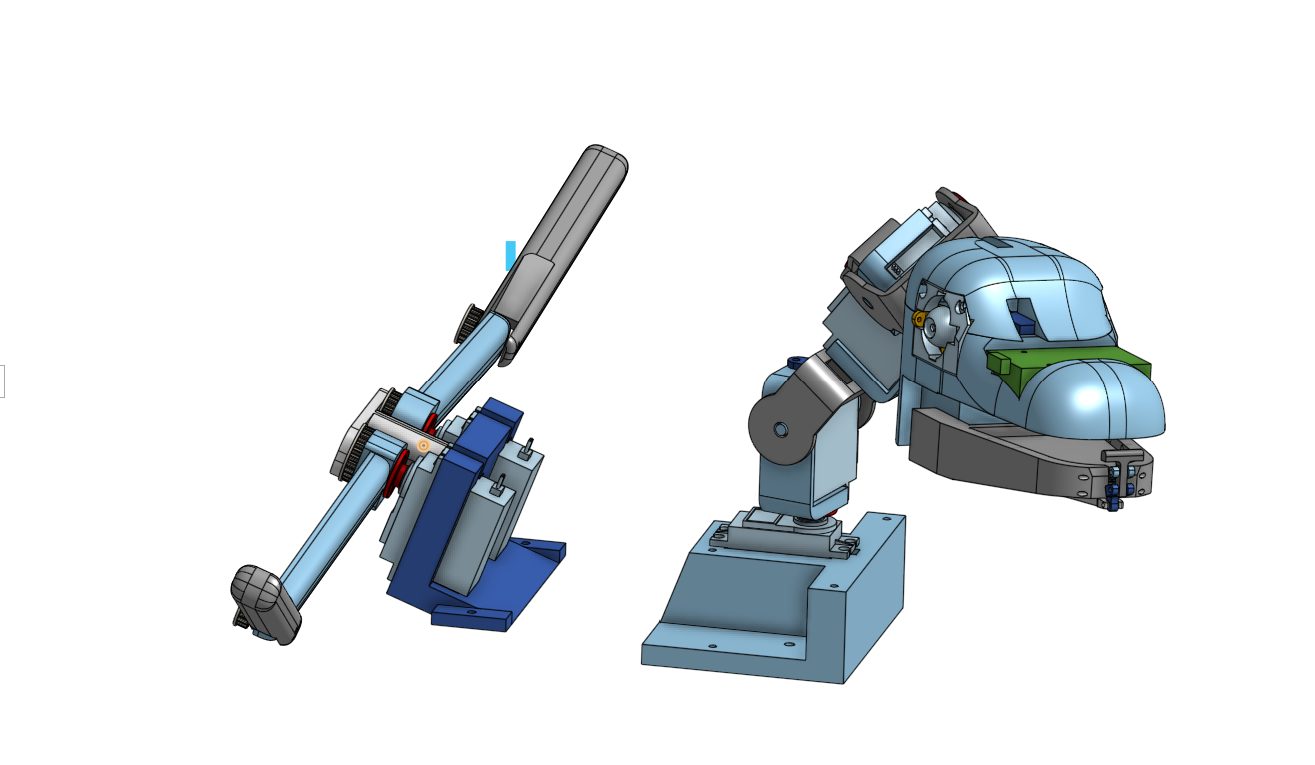
The Head
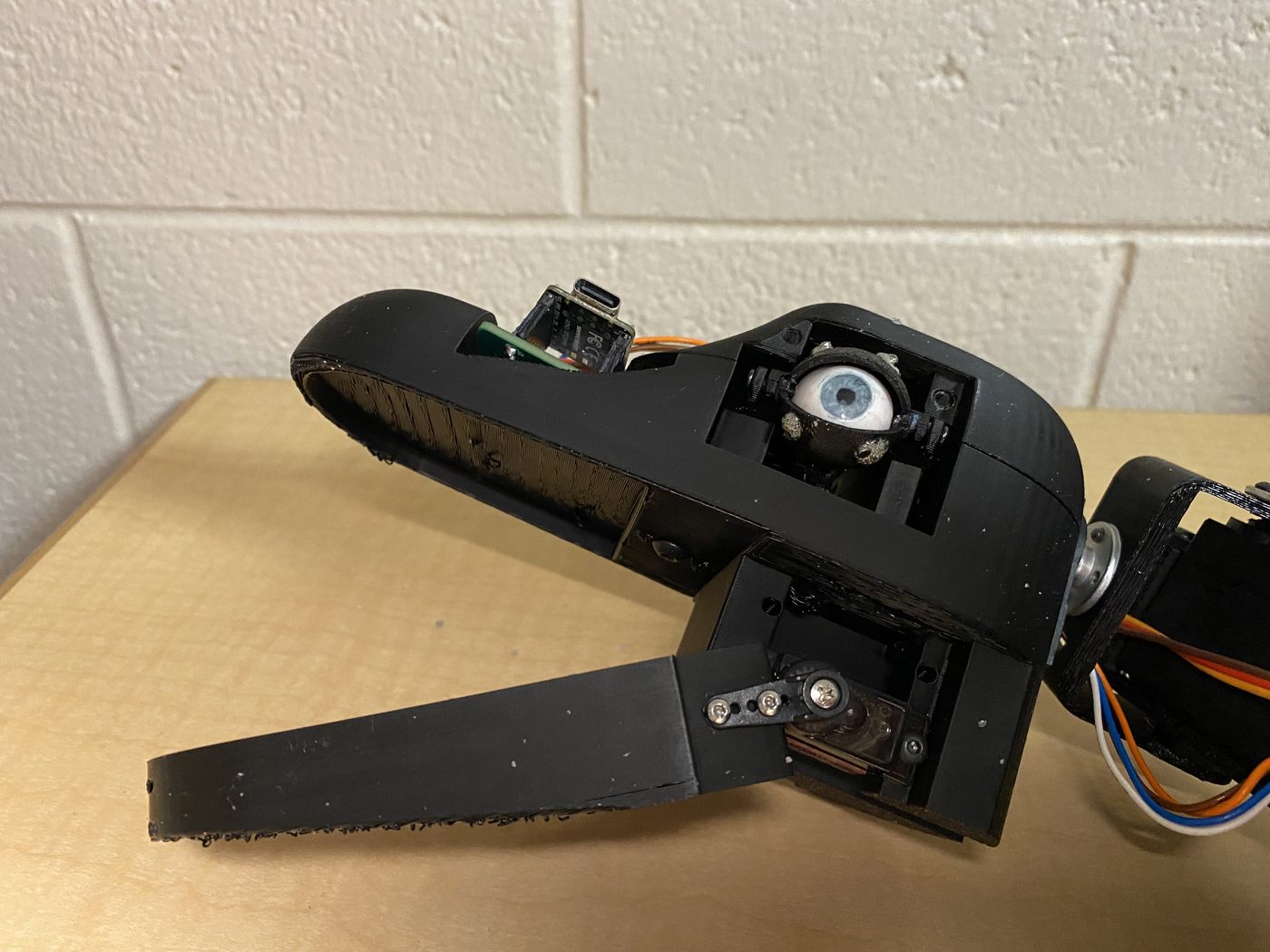
The idea started in the summer before college. I began work in college from a 3D model that set the scale, then designed parts in Onshape. The head had to stay small while packing an actuated jaw, two eyes, and a neck mount. Two LCD panels for the eyes were the first plan. Testing showed the microcontroller was too slow, the panels would struggle to stay bright in sunlight, and each panel needed a lot of wiring. I switched to servo-actuated 3D-printed eyes with eyelids that meet in the middle when closed.
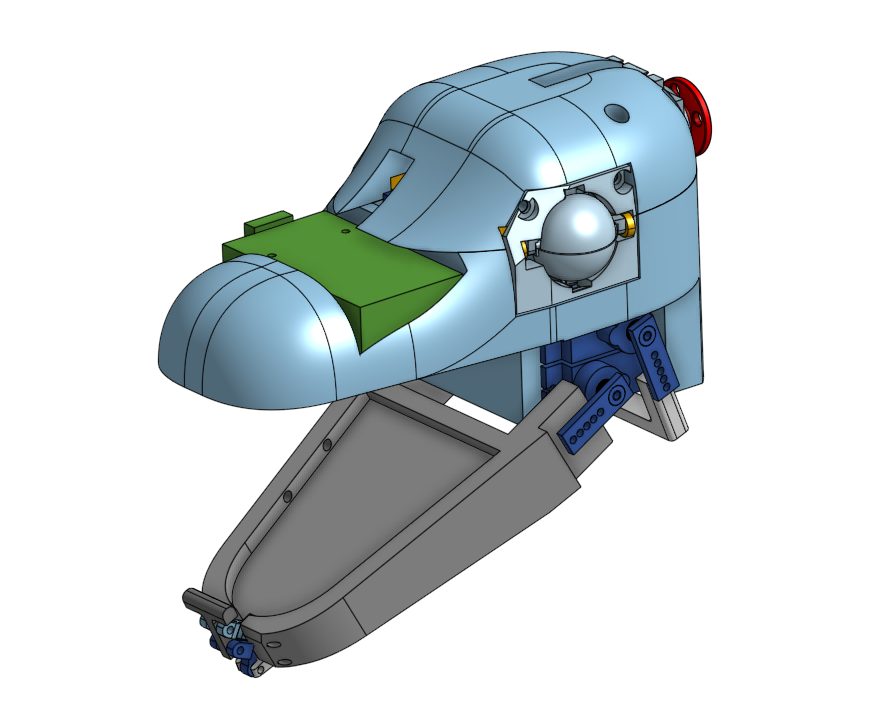
The Neck
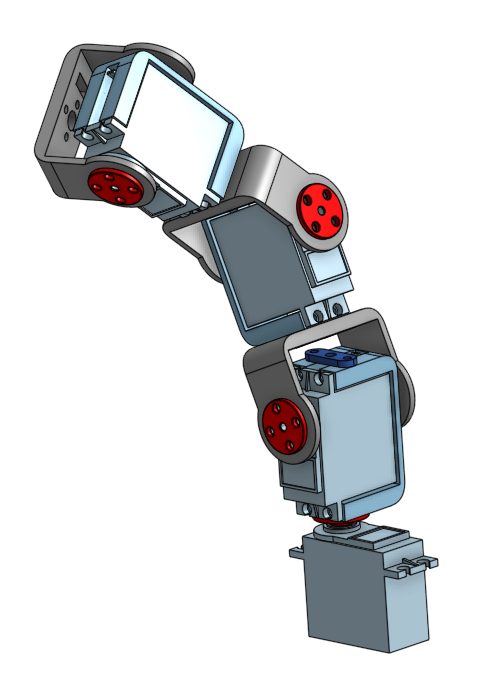
The neck needed many degrees of freedom. After looking at snake-inspired robots, I went with a continuum: rigid enough to hold the head, flexible enough to move. I tried stepper motors first, then servos, which are stronger and easier to control. A 3D-printed TPU neck pulled with string was too weak and flimsy once the head was on. Mounting servos directly in the neck gave more precise control while still giving decent degrees of freedom.
Skin and Electronics
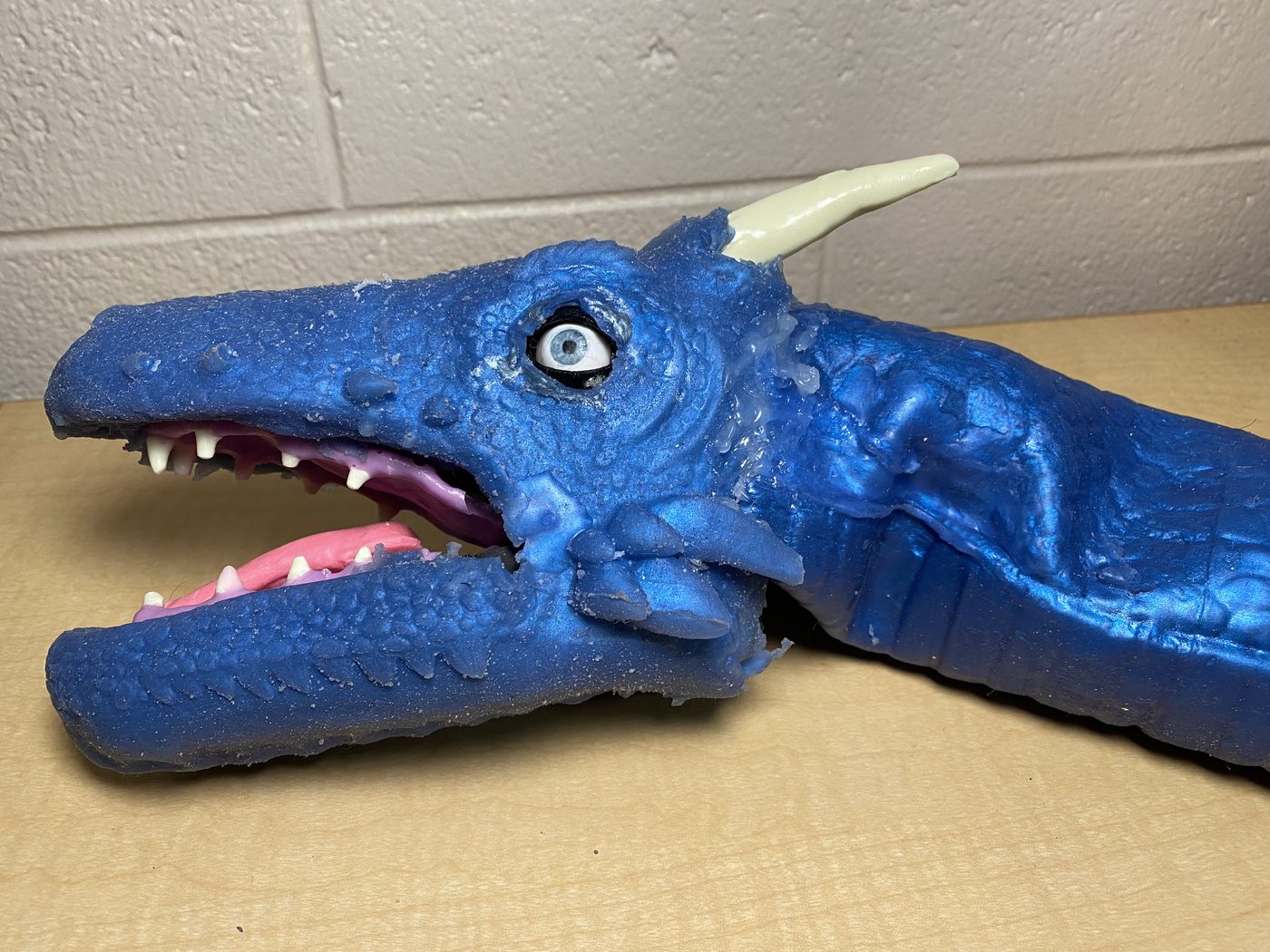
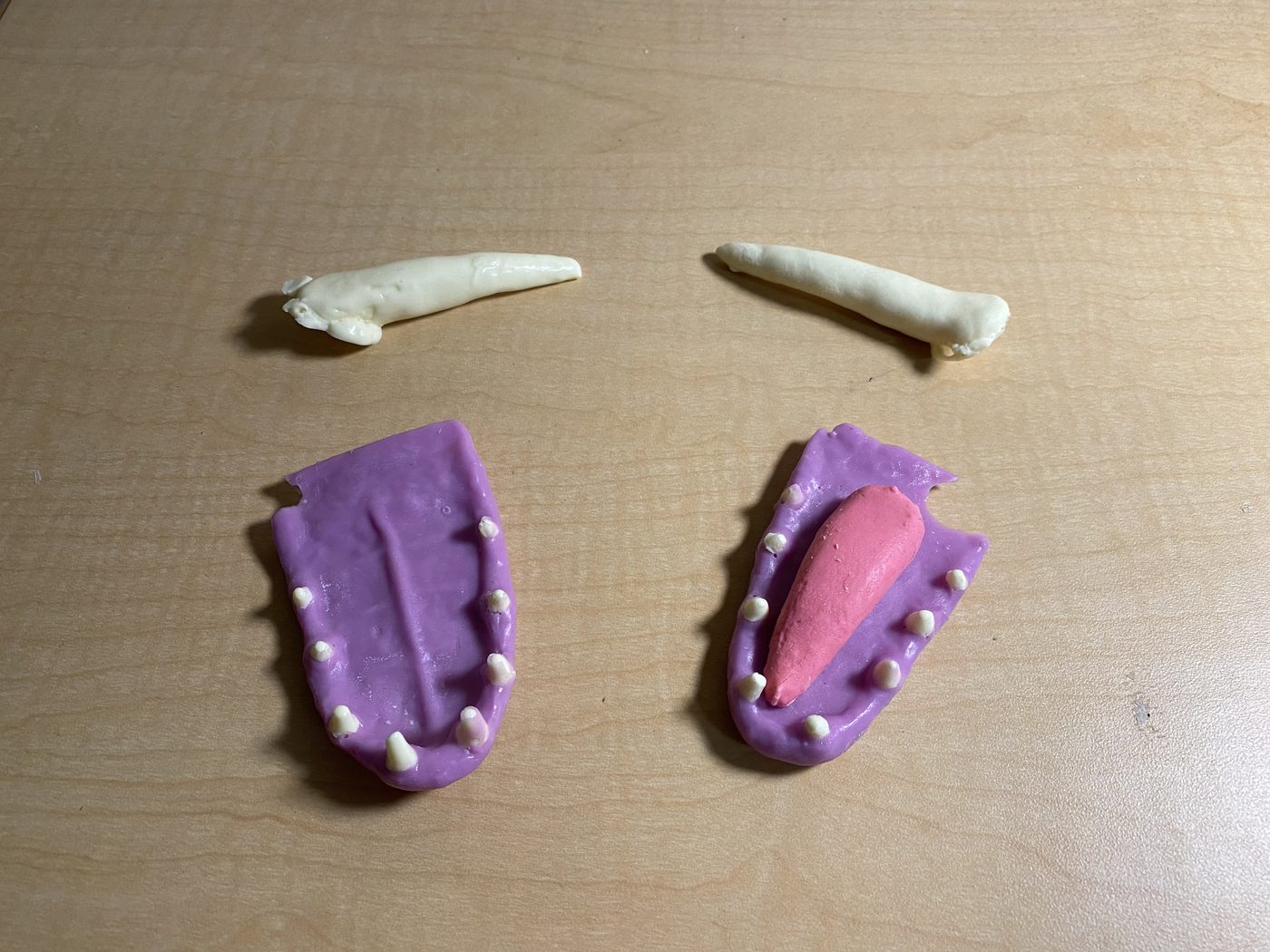
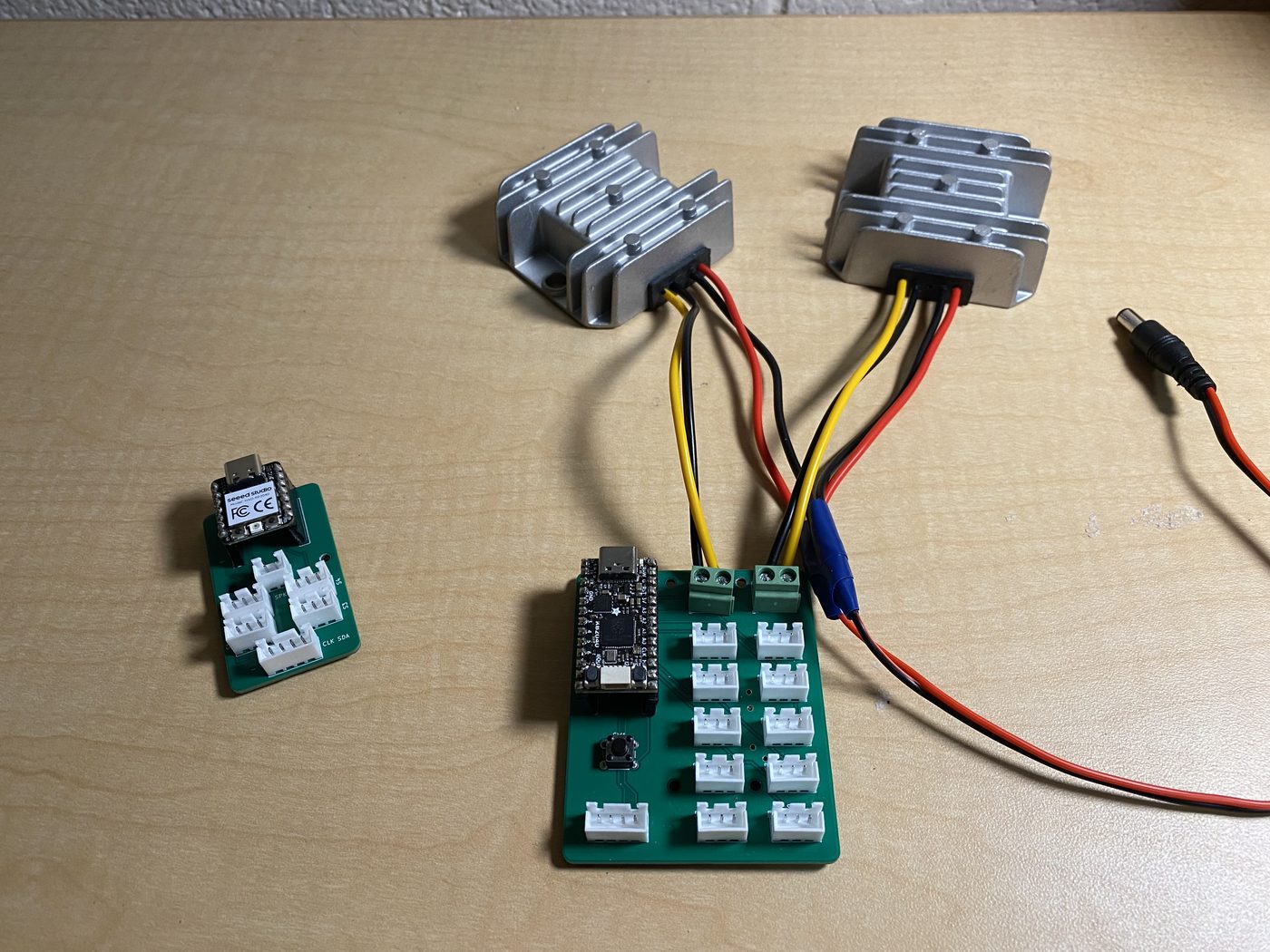
My sister sculpted the head and neck in clay over 3D-printed blanks. Silicone was poured into casts made from that clay; horns and mouth inserts used clay and silicone casts again, then resin. An Adafruit ItsyBitsy M4 Express is the servo controller, with a custom PCB I designed in the college makerspace to attach ten servos. One master PCB sits in the body and another in the head, communicating over I2C; the master takes 5V for the microcontroller and smaller servos and 7V for the larger servos, plus an I2C signal from a Wii Nunchuk for manual control.
Software and Status
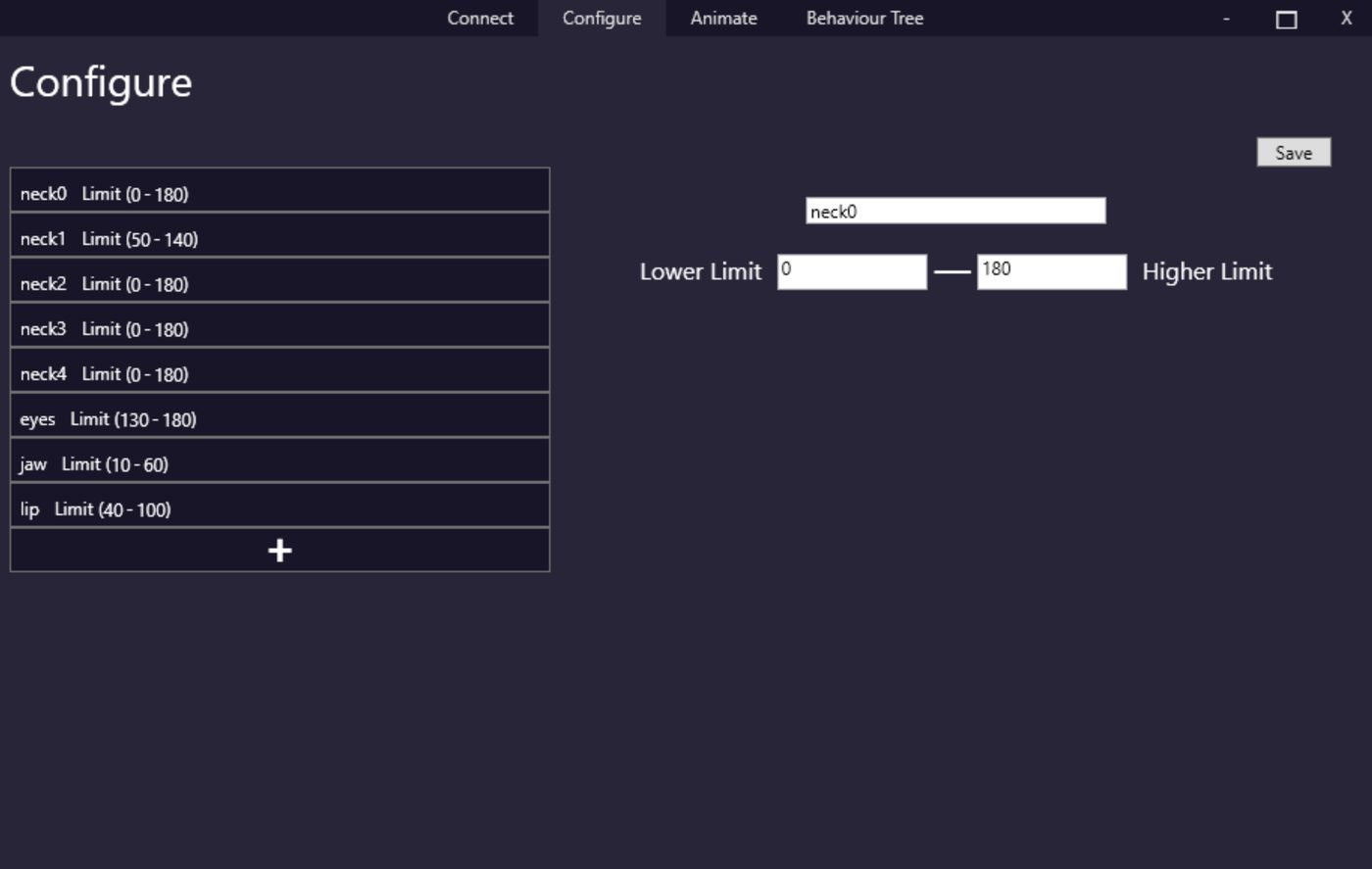
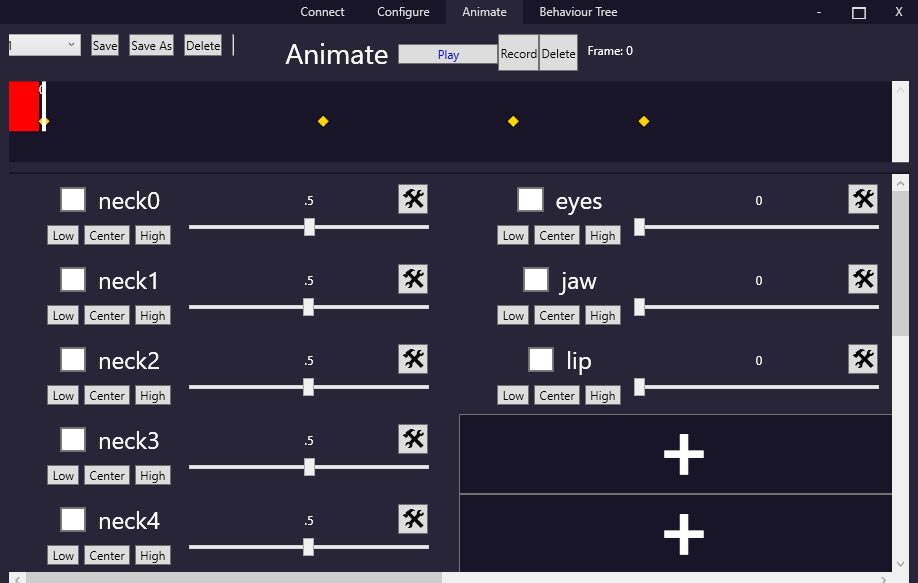
I built a WPF application that adds servos, sets names and limits, and tests them with sliders. A timeline programs servo positions into keyframes and exports animations to JSON for the microcontroller. A behavior-tree builder for behaviors based on randomness and sensor input is also in progress. The dragon is still under development and has never been worn — bench and development only so far. After I assembled the CAD and tested it, the 3D-printed neck brackets could not withstand the forces of the head moving; some servos were not strong enough and will need to be upgraded; the silicone skin was too heavy and not flexible enough. A v4 revision is currently in progress.